Seasonal Weekend Planning for Turkey
A practical guide to choosing the best time for your Turkish getaway, what to pack, and where to go throughout the year


Why Timing Matters for Turkish Weekends
Turkey's got incredible diversity — from Mediterranean coasts to mountain highlands to ancient Cappadocia. But here's the thing: when you visit completely changes what you'll experience. Spring isn't the same as summer. Winter opens up different opportunities. We're going to walk you through each season so you can pick the right time for what you're actually looking for.
Each season brings different weather, different crowds, and different activities. Understanding these patterns means you'll get way more out of your weekend. You'll avoid the packed tourist zones if that's not your style, or you'll hit them at the right moment if you want the energy. Plus, packing becomes obvious once you know what to expect temperature-wise.
Spring (March–May)
Perfect wildflower season. Temps 15–25°C. Fewer crowds than summer.
Summer (June–August)
Hot and busy. 30°C+. Best for water activities and nightlife.
Fall (September–November)
Comfortable temps return. 20–28°C. Golden hour light is stunning.
Winter (December–February)
Mild on coast. 10–15°C. Snow in Cappadocia. Quiet everywhere.
Spring: Wildflowers & Fresh Energy
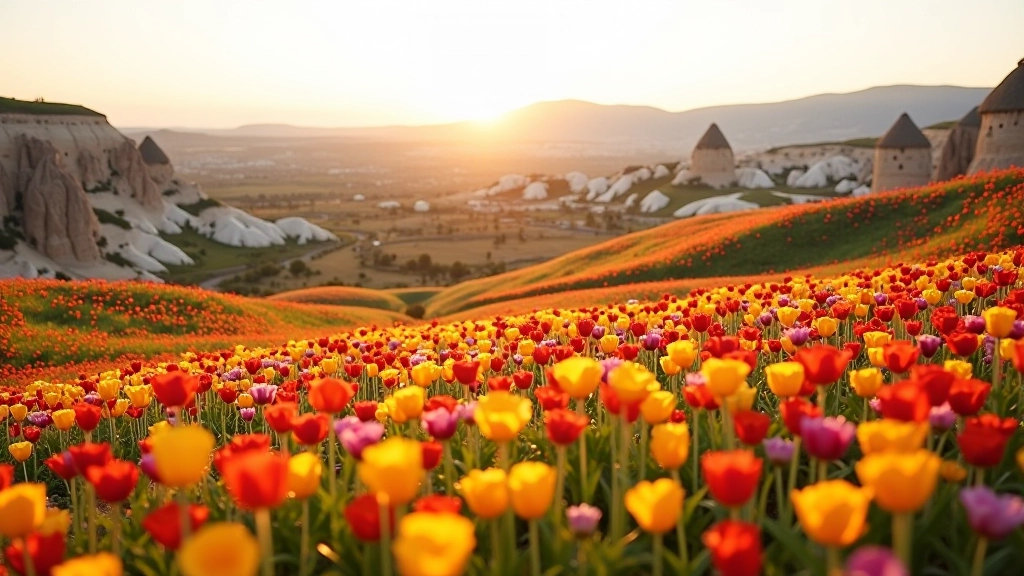
March through May is when Turkey wakes up. You'll see wildflowers everywhere — seriously, the landscapes shift from brown to vibrant color in just a few weeks. Temperatures hover between 15 and 25°C, which means you can actually walk around without melting. It's not too hot for hiking, not too cold for swimming in the warmer regions.
The Aegean and Mediterranean coasts are warming up but aren't packed yet. Cappadocia's mild. Istanbul's perfect for walking the old city. Plus, spring break tourism hasn't fully kicked in until late April, so you'll actually get into museums and restaurants without insane waits.
What to Pack
- Layers — mornings cool, afternoons warm
- Comfortable walking shoes (you'll be outdoors a lot)
- Light jacket or sweater for evenings
- Sunscreen (sun's stronger than you think)
- Sunglasses and a hat
Summer: Heat, Water & Nightlife
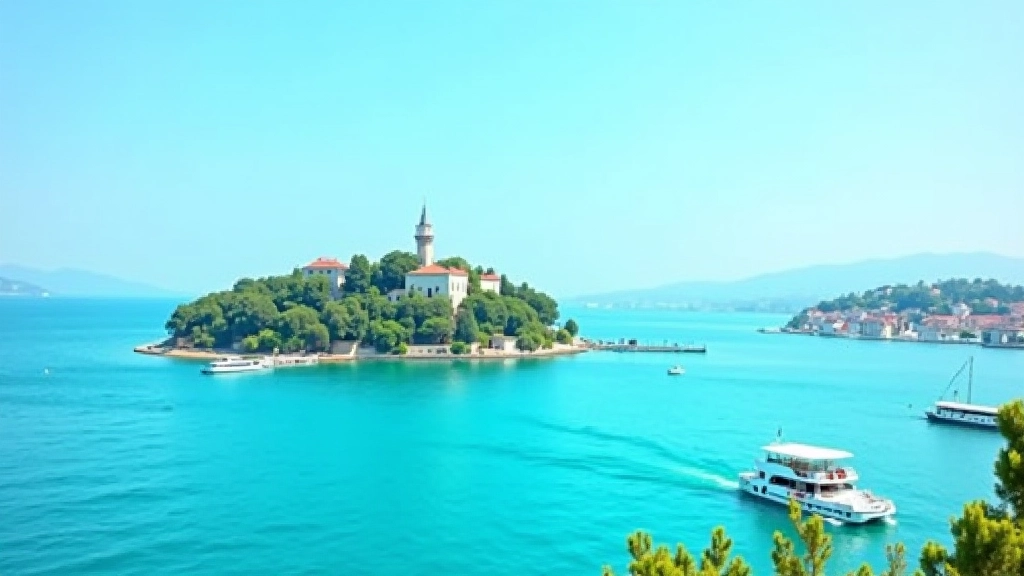
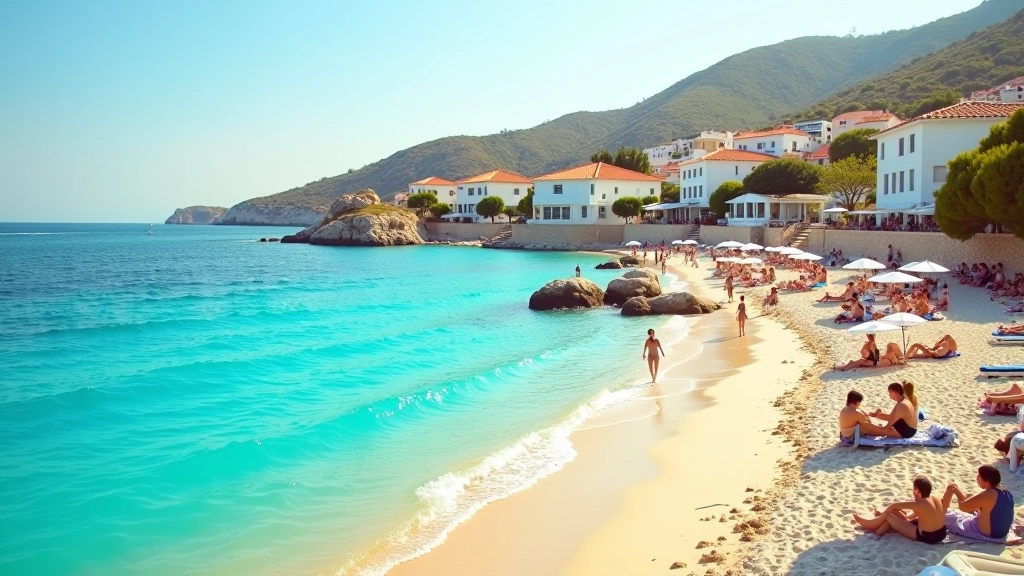
June through August gets hot. Seriously hot — 30°C to 35°C in most places, hotter in some spots. But that's when the water's perfect for swimming, and it's peak season for beach clubs, boat trips, and staying up late. The energy's different in summer. You'll find bigger crowds, more tourists, busier restaurants.
Summer's your window for water-based activities. Boat tours happen daily. Beach clubs are open. If you're doing the Aegean coast or heading to Bodrum, summer's when everything's operating at full capacity. Early morning visits to popular sites help beat the crowds. And yeah, you'll want to swim — it's not optional in summer, it's survival.
Pro tip: Book accommodation well ahead. Summer's the peak, and prices go up 40–60%. Hotels fill fast. But if you're flexible with dates, even July has quieter weeks if you pick the right timing.
Fall: Golden Light & Comfortable Temps
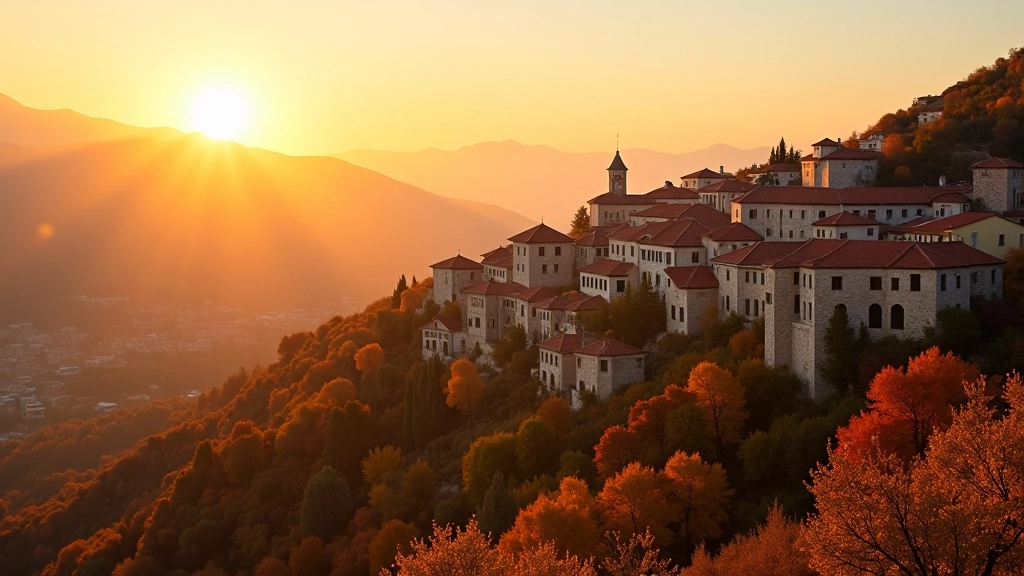
September through November is honestly underrated. Temperatures drop to 20–28°C. The intense summer heat's gone. You can actually explore outdoors without worrying you'll collapse. The light's incredible too — photographers love fall in Turkey. Everything's got that warm, golden tone from mid-afternoon through sunset.
Tourist numbers drop significantly after August. You'll get into sites without massive queues. Restaurants aren't packed. Accommodation prices start coming down. The water's still warm enough for swimming, especially September and early October. It's basically the sweet spot between summer's chaos and winter's quiet.
What to Do in Fall
Hiking becomes actually enjoyable — no heat exhaustion. Photography is phenomenal. Wine tasting in Cappadocia happens during harvest season. Boat trips still run. Istanbul's perfect for walking the neighborhoods. And you can actually sit outside at a cafe without needing an umbrella drink every 10 minutes.
Winter: Quiet Getaways & Surprising Scenery
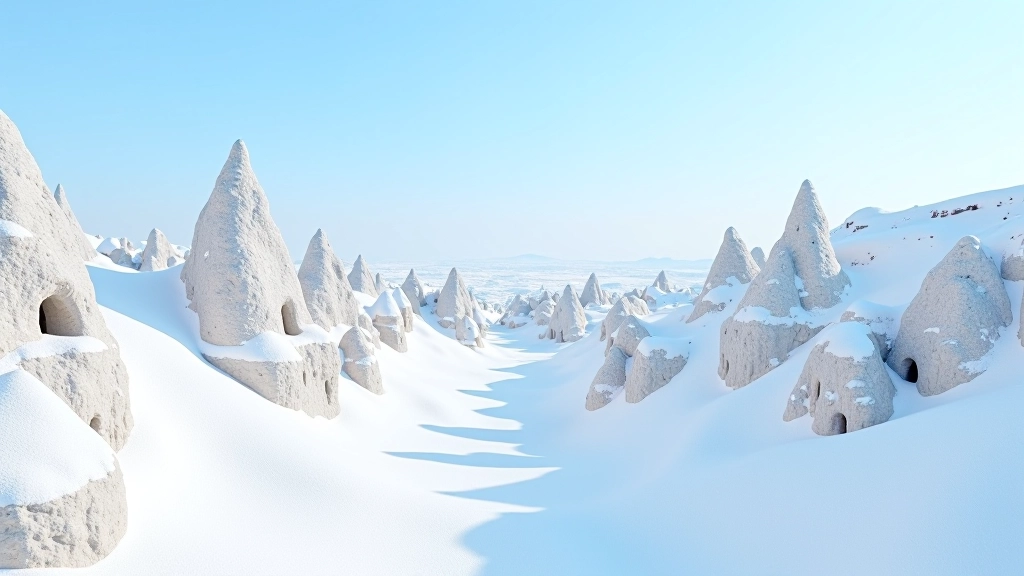
December through February is low season, which means fewer tourists and lower prices. The coast stays mild — 10–15°C, perfect for walking around without sweating. Cappadocia and higher elevations get snow, which transforms the landscape into something completely different from the postcards you've seen. It's quiet. Genuinely quiet. Most travelers skip winter, which means you'll have sites almost to yourself.
Winter's your chance to experience Turkey without the tourism infrastructure going into overdrive. Small hotels have space. You can book restaurants same-day. The energy shifts from "sightseeing checklist" to "actually being in a place." Sure, you won't swim in the sea. But you'll hike through snow in Cappadocia. You'll sit in a warm cafe in Istanbul watching the city. You'll get genuine quiet time in places that are chaos in summer.
Your Season-by-Season Packing & Planning Checklist
Spring Essentials
Clothing: Light layers, breathable fabrics, closed-toe shoes
Gear: Sunscreen SPF 30+, hat, sunglasses
Planning: Book ahead 2–3 weeks. Expect 15–25°C temperatures.
Summer Essentials
Clothing: Lightweight, loose fabrics, swimwear, hat
Gear: High SPF sunscreen, water bottle, flip-flops
Planning: Book 1–2 months ahead. Expect 30–35°C heat.
Fall Essentials
Clothing: Light jacket, long pants, comfortable shoes
Gear: Sunscreen, camera (golden light is stunning)
Planning: Book 3–4 weeks ahead. Expect 20–28°C.
Winter Essentials
Clothing: Warm coat, sweater, jeans, closed shoes
Gear: Hat, gloves (Cappadocia), scarf
Planning: Book flexible dates. Expect 10–15°C.
Where to Go by Season
Different regions shine at different times. Here's what actually works when:
Cappadocia
Best: Spring (April–May), Fall (September–October), Winter (December–January for snow)
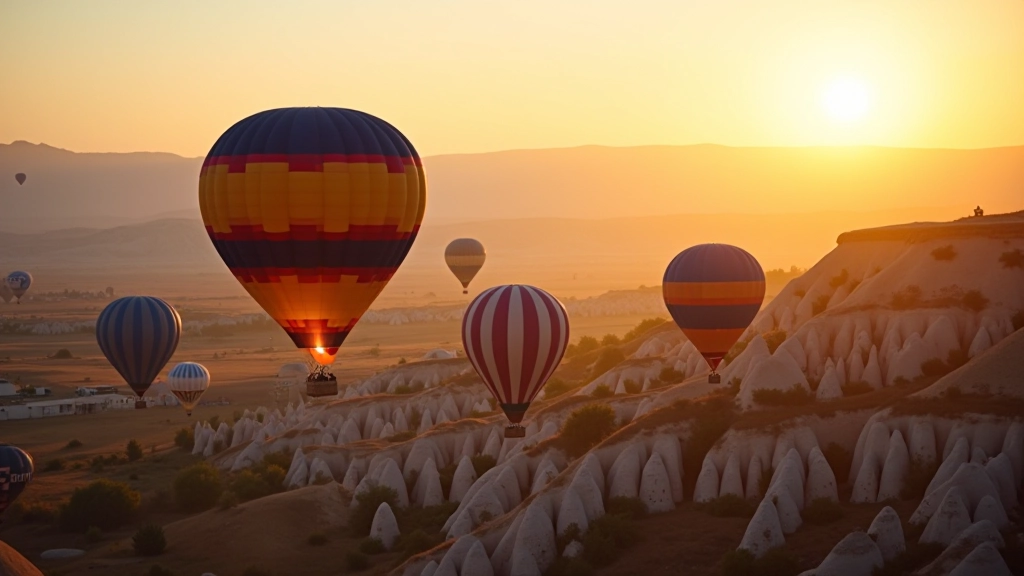
Summer's hot but doable for balloon rides at dawn. Winter's magical with snow on fairy chimneys. Spring and fall have the best overall balance.
Aegean Coast
Best: Summer (June–August) for swimming, Spring/Fall for exploring
Water's warm June through September. April and October are perfect for walking ancient sites without heat stress. Winter's mild but chilly for water activities.
Istanbul
Best: Spring (April–May), Fall (September–October)
Summer's crowded. Winter's grey but peaceful. Spring and fall offer perfect walking weather and fewer tourists than summer.
Mediterranean
Best: Summer (June–August) for beach clubs, Spring/Fall for exploring
Warmest coast. Summer's peak season with boat trips running daily. Winter's still warm enough for swimming compared to other regions.
Practical Tips That Actually Work
1
Book Early, Especially for Summer
Summer books up 8–12 weeks in advance. Spring and fall need 3–4 weeks. Winter you can book closer to your date and still get good options.
2
Travel Mid-Week When Possible
Friday–Sunday gets crowded. Tuesday–Thursday is quieter, even in peak season. You'll actually get into restaurants and sites without massive waits.
3
Download Weather & Transit Apps
Turkey's weather can shift fast. Download a local weather app and the HavataşI app for Istanbul transit. Real-time info beats guidebooks.
4
Wear Comfortable Shoes From Day One
Turkish cities involve a lot of walking on uneven streets and ancient sites. Don't break in new shoes on your trip. Bring something already worn in.
5
Respect Local Customs Regardless of Season
Cover shoulders and knees when entering mosques and religious sites. This applies year-round. It's not negotiable, and it's basic respect.
6
Keep Cash & Cards Separate
Crowded places exist in every season. Don't keep all money in one spot. Tourist-heavy areas get pickpockets year-round.
Finding Your Perfect Season
There's no "best" season for Turkey — it depends on what you're after. If you want heat and water activities, summer's your answer. Spring offers wildflowers and mild temps without summer crowds. Fall delivers perfect weather and golden light. Winter's quiet and peaceful, with dramatic snowy landscapes in Cappadocia.
The real secret? Don't just pick a season. Pick a season for what you actually want to do. Want to swim and party? Summer. Want to hike and photograph? Spring or fall. Want to explore without noise? Winter. Once you know what experience you're chasing, the timing becomes obvious.
Turkey's got something special in every season. You'll have a great trip whenever you go — just go knowing what to expect, what to pack, and where to focus your time. That's how you turn a weekend into something you'll actually remember.
Important Information
This article provides general information about seasonal travel to Turkey for planning purposes. Weather patterns, temperatures, and tourism patterns can vary year to year. Before traveling, check current weather forecasts, check travel advisories from your government, and verify that attractions and services are currently operating. Accommodation prices and availability change frequently. Always book directly with your chosen hotel or through verified booking platforms. Cultural and religious practices should be researched and respected during your visit. This information is educational and intended to help with planning — always verify current conditions before your trip.